

How Frequently Should You Wax Your Car for Maximum Protection?


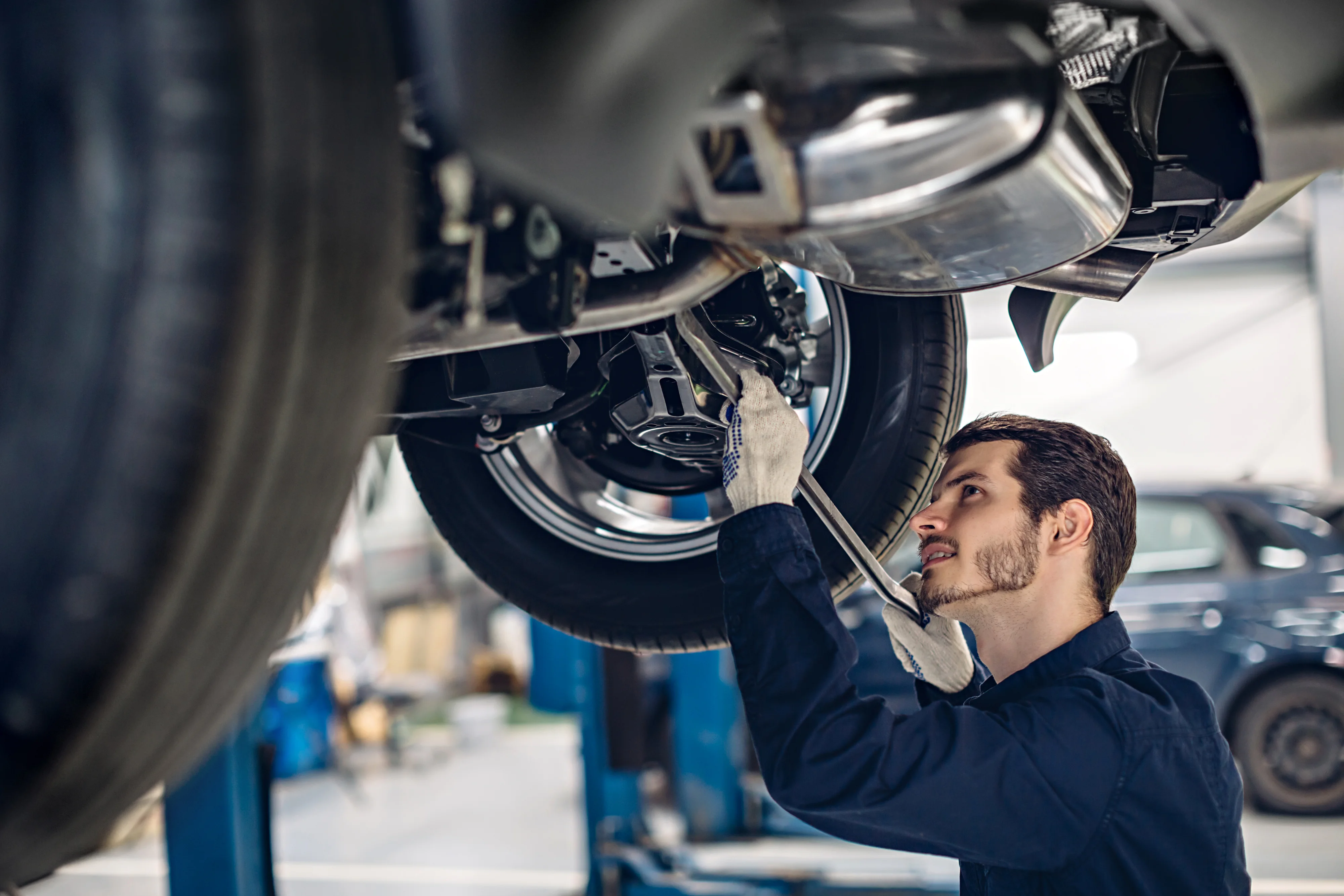


Keeping your car running smoothly throughout the year requires consistent maintenance and attention to small details. Seasonal changes, driving habits, and road conditions all impact your vehicle’s performance. By following a regular maintenance routine, you can avoid unexpected repairs, improve reliability, and ensure a safer driving experience every day.
One of the most important steps is maintaining a proper oil change schedule. Fresh engine oil keeps internal components lubricated and prevents friction-related damage. When oil becomes dirty or low, the engine has to work harder, leading to reduced efficiency and performance. Following the manufacturer’s recommended oil intervals will help your engine stay healthy all year long.
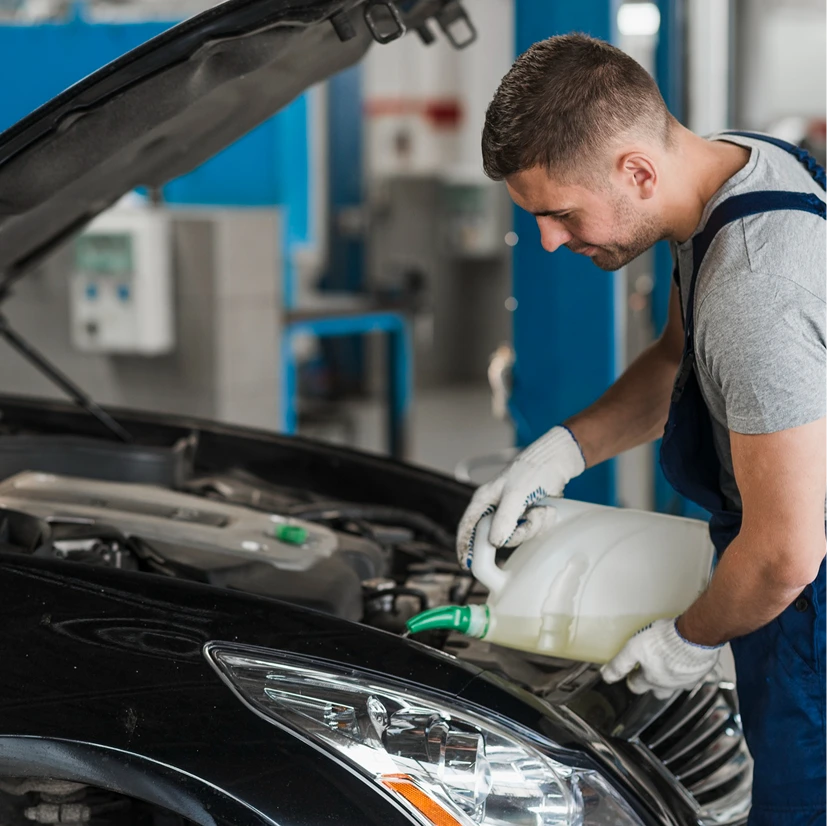
Regular fluid checks are equally essential. Coolant, brake fluid, transmission fluid, and power steering fluid each play a vital role in your vehicle's operation. Monitoring and topping up these fluids helps prevent overheating, brake failure, and costly transmission issues. Staying consistent with fluid maintenance ensures smoother and safer driving.
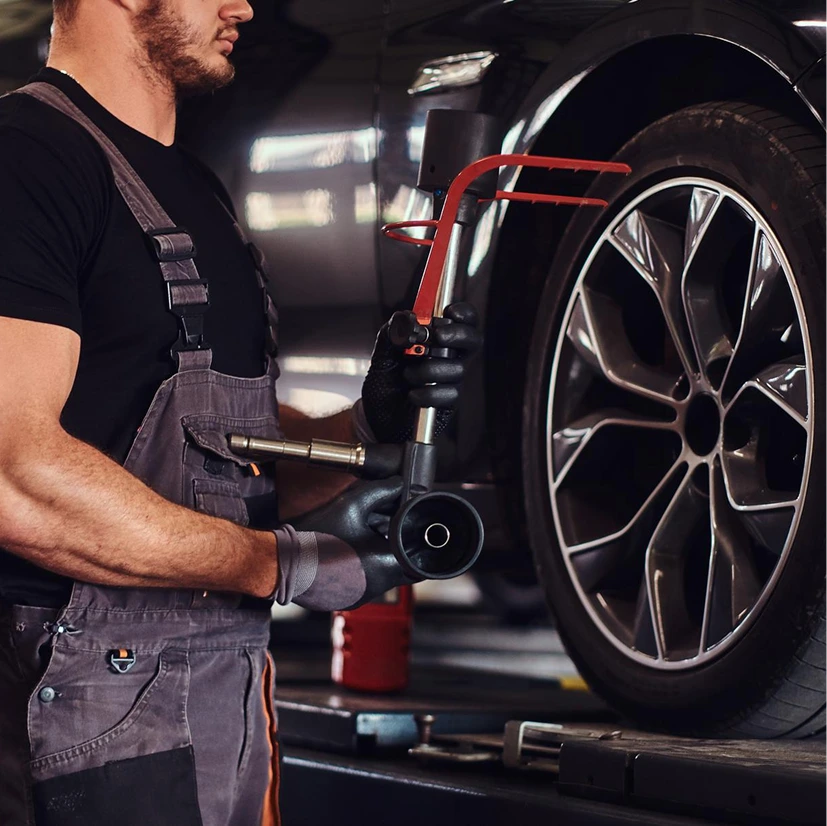
Your tires also require year-round attention. Proper air pressure, balanced tires, and correct wheel alignment significantly affect handling, fuel efficiency, and safety. Inspecting your tires for wear and rotating them every few months will help maintain even tread and extend tire life. Good tires provide better control in all weather conditions.
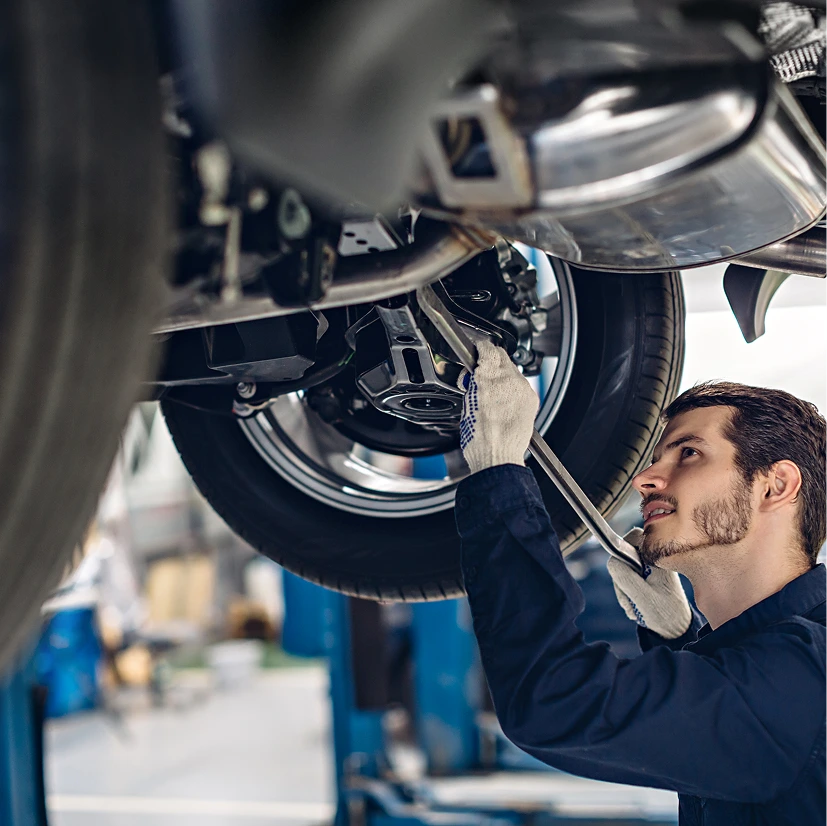
Don’t overlook the importance of your car’s battery, brakes, and filters. A weak battery may fail unexpectedly, especially during seasonal changes. Dirty air or cabin filters can restrict airflow, reducing engine performance and indoor air quality. Worn brake pads can compromise safety. Regular inspections help detect these issues early and keep your car performing at its best.
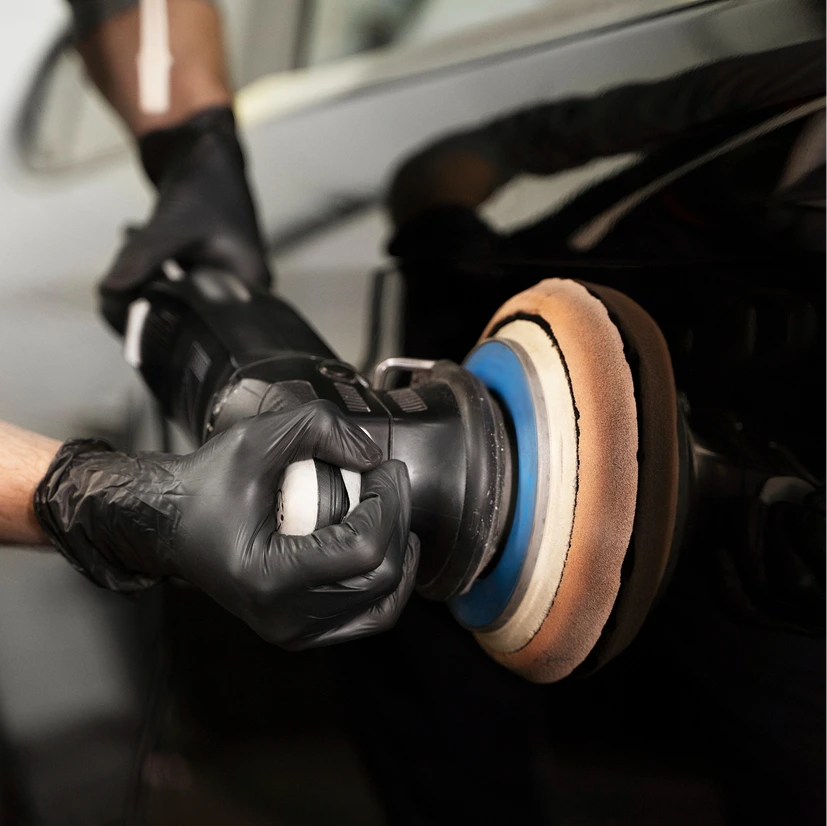
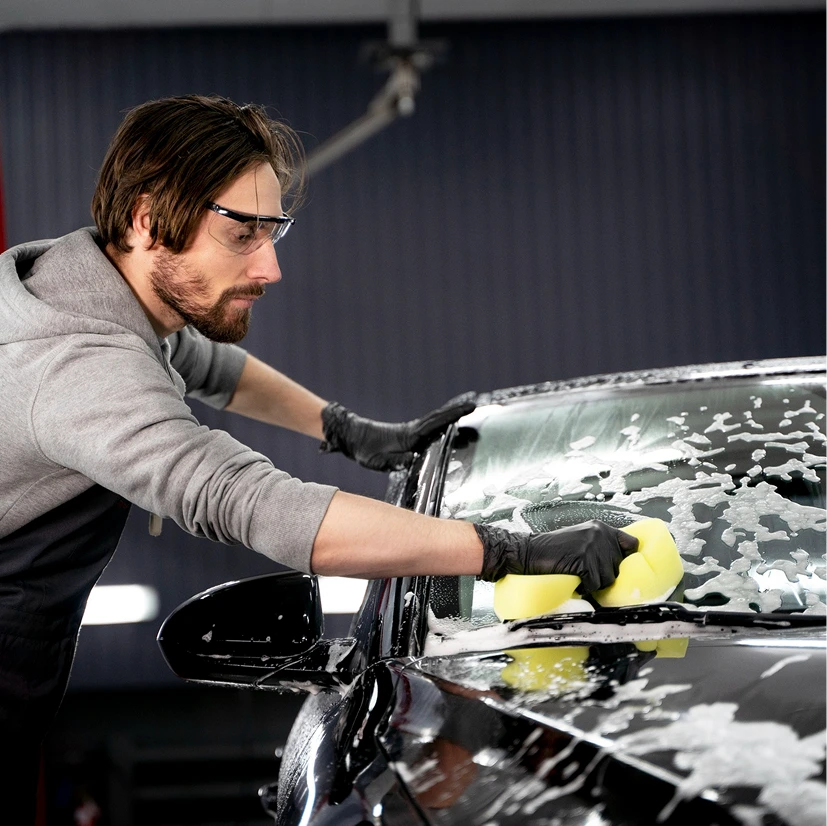
Finally, adopting smart driving habits can greatly extend your car’s lifespan. Avoid sudden stops, harsh acceleration, and carrying unnecessary weight. Keeping your car clean, both inside and out, also prevents long-term damage caused by dirt, rust, and corrosion. With consistent care and mindful driving, your car will stay smooth, efficient, and reliable throughout the entire year.