

A Guide to Interpreting Your Car’s Warning Lights





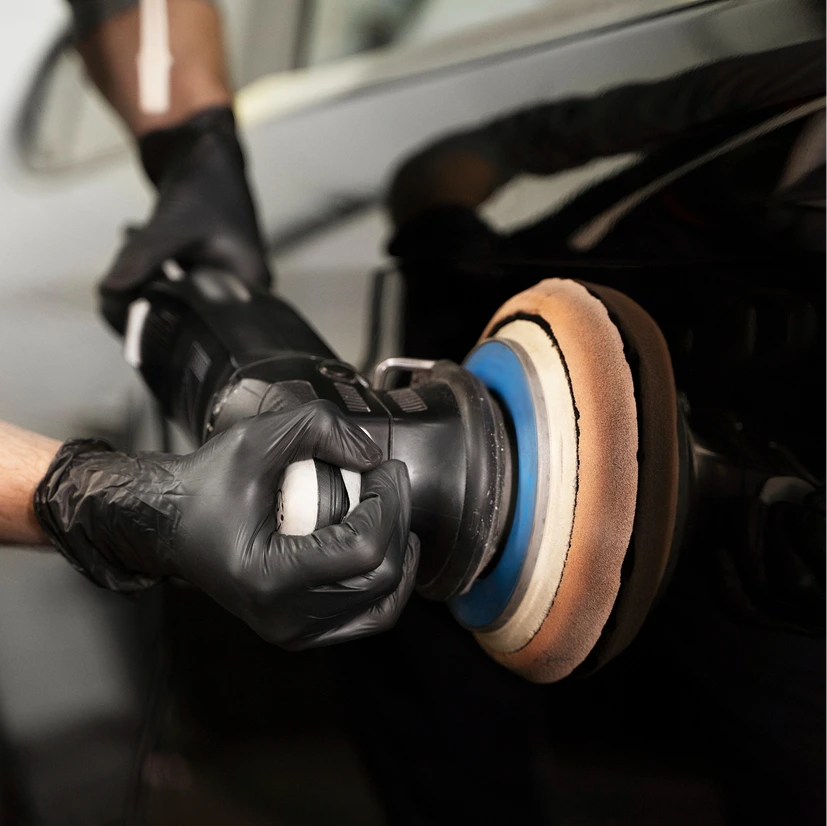
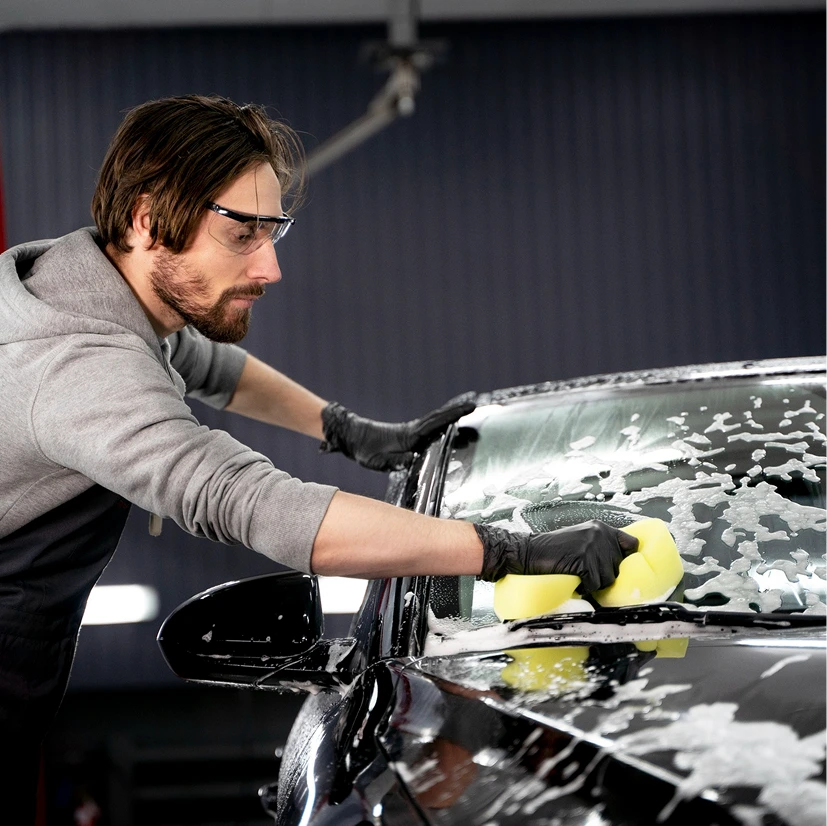
Car detailing is more than just cleaning — it is a complete care process that protects your vehicle’s interior and exterior from long-term damage. Many car owners wonder how often detailing should be done, especially when balancing budget and maintenance needs. The right detailing schedule depends on usage, climate, and how well you maintain your vehicle daily.
For the average driver, getting a full professional detail every 4 to 6 months is ideal. This frequency helps keep the paint protected, the interior fresh, and the car looking new for longer. Regular detailing also increases the resale value by preventing early wear and damage
If you live in a dusty, humid, or coastal area, you may need more frequent detailing — about every 3 months. These environments cause faster dirt buildup, salt exposure, and moisture damage. Frequent detailing ensures your car stays shielded from corrosion, fading, and mold growth inside the cabin.
For car enthusiasts or people who want their car to look showroom-ready all the time, detailing every 1 to 2 months is common. This level of maintenance helps preserve premium paint jobs, ceramic coatings, and luxury interiors. It also keeps leather seats conditioned and prevents dashboard cracking.