

Top Signs Your Vehicle Is Overdue for a Deep Clean




The benefits of preserving and restoring architectural heritage extend beyond mere aesthetics. These practices contribute to cultural continuity, providing a tangible connection to the past and fostering a sense of identity and pride within communities. Historic buildings often serve as landmarks, educational resources, and centers for community engagement, enhancing the cultural vibrancy of a region.
Additionally, preservation and restoration can have economic benefits. Restoring historic buildings can revitalize neighborhoods, attract tourism, and provide unique spaces for businesses and events. By investing in heritage conservation, communities can balance modern development with a respect for historical legacy.
Ultimately, the preservation and restoration of architectural heritage are about more than just saving old buildings; they are about safeguarding the stories, values, and craftsmanship that define our history and shape our cultural landscape.
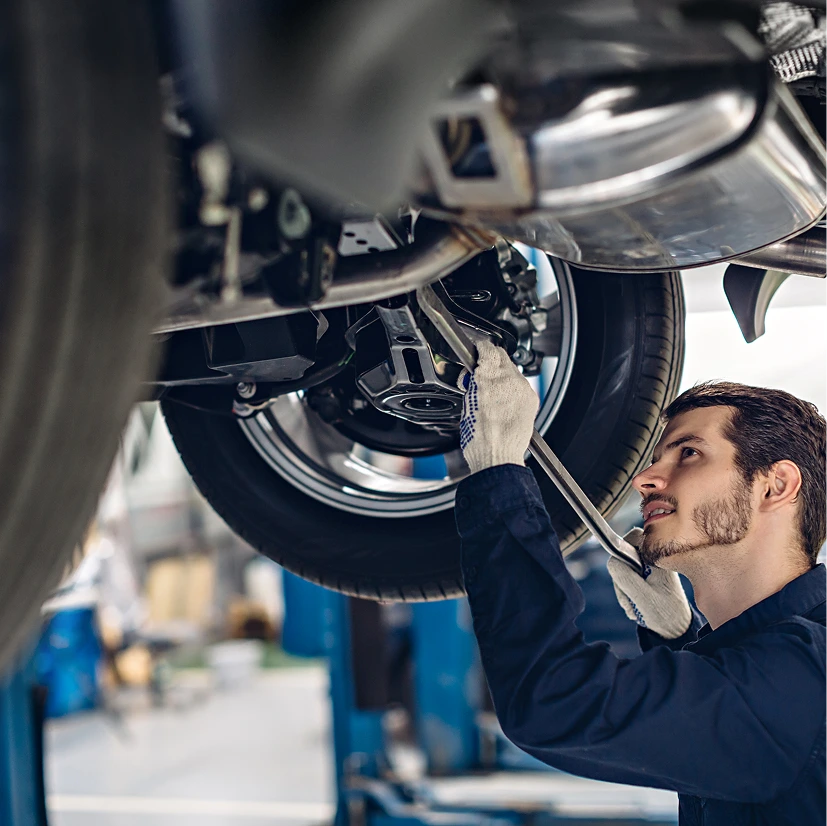
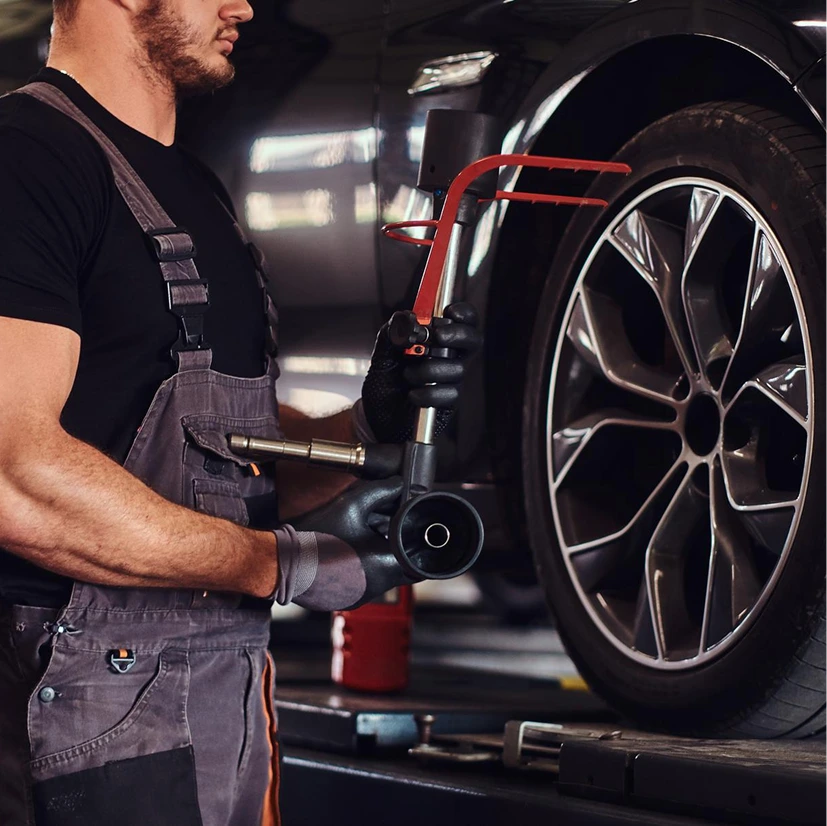
Brake problems are also widespread. Worn brake pads, low brake fluid, or faulty ABS components can compromise your safety. If you hear squeaking, grinding, or feel reduced braking power, your brakes need immediate attention. Regular brake inspections and timely pad replacements can prevent costly repairs and ensure safe stopping.
Many drivers also deal with tire-related issues, such as low pressure, uneven wear, or punctures. Incorrect tire pressure affects fuel economy, handling, and tire lifespan. Checking your tire pressure monthly, rotating tires every 5,000–7,000 miles, and ensuring proper alignment help prevent premature wear and improve vehicle control.
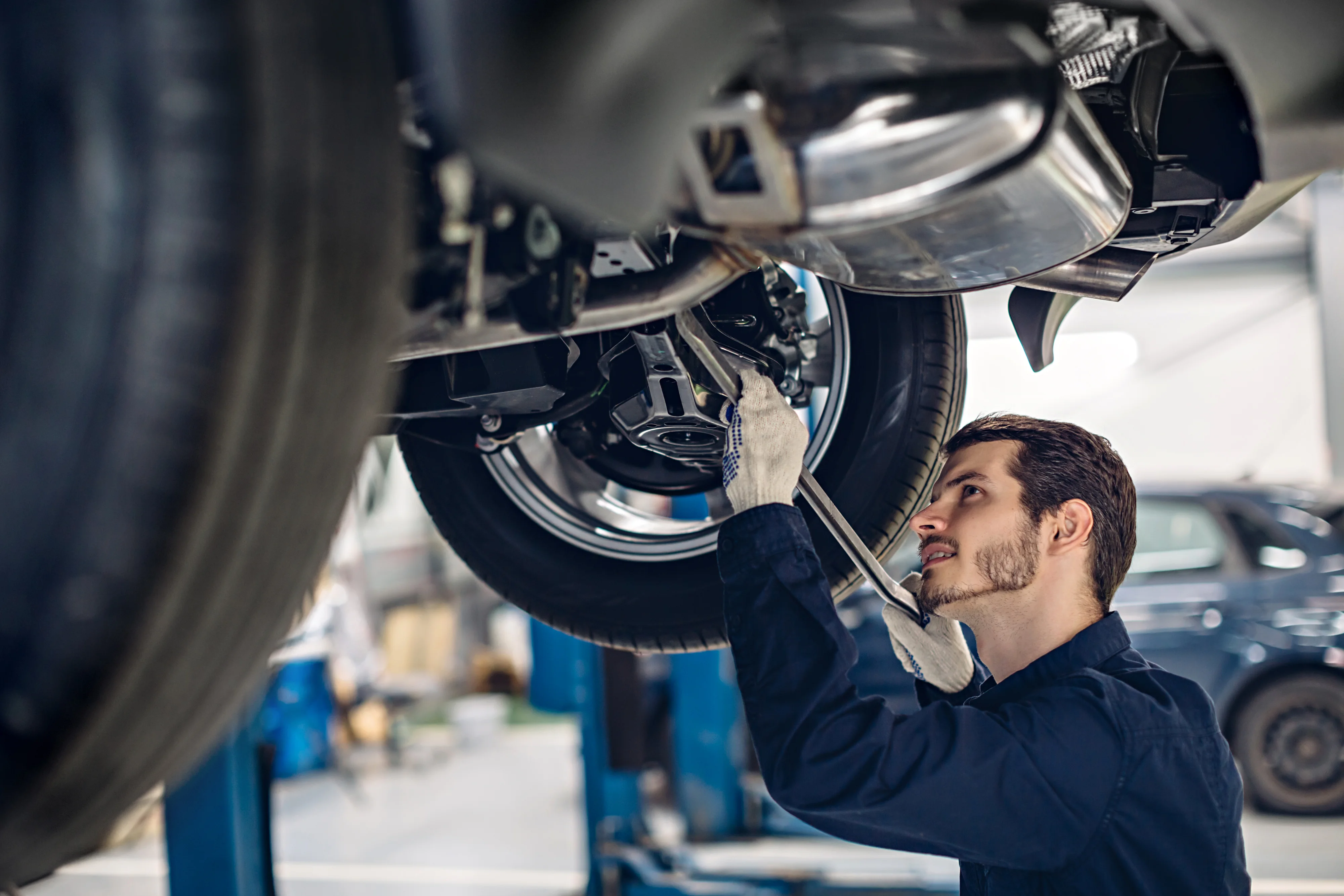
Finally, electrical problems — such as faulty sensors, blown fuses, or malfunctioning lights — are very common in modern cars. These issues can cause warning lights to appear and affect overall performance. Keeping your electrical system checked during regular servicing helps detect small faults early. With consistent maintenance, most common car problems can be prevented, ensuring a smoother, safer driving experience.