

How to Interpret Your Car’s Dashboard Alerts


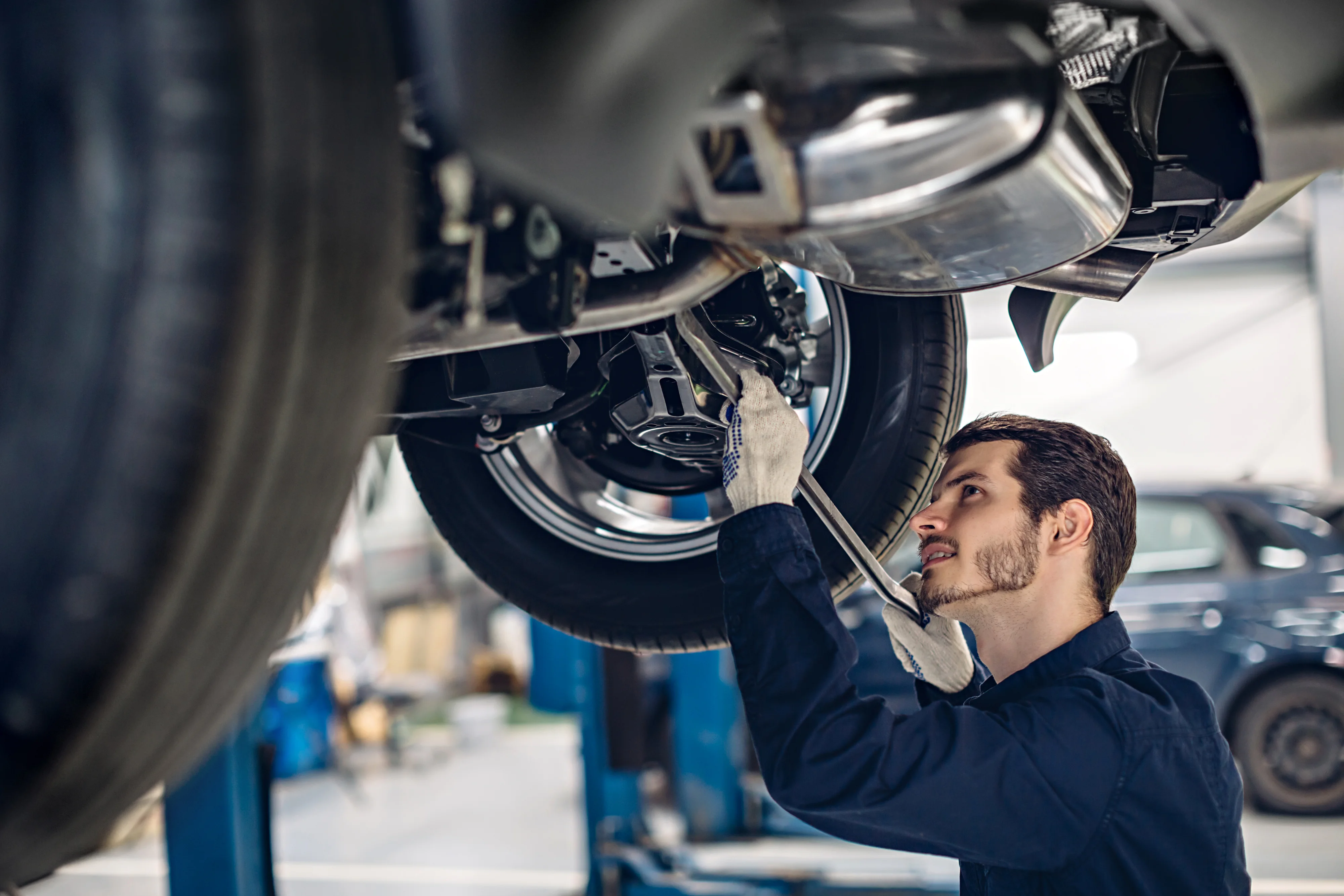


Recognizing the early warning signs that your car needs immediate maintenance can save you from expensive repairs and unexpected breakdowns. Many drivers overlook minor symptoms that eventually turn into major mechanical issues. Understanding these signals helps keep your vehicle safe, reliable, and performing at its best.
One of the most obvious signs is unusual noises, such as grinding, knocking, or high-pitched squealing. These sounds often indicate problems with the brakes, engine components, or suspension system. Ignoring them can lead to severe damage, so it’s important to get your car inspected as soon as the noise appears.
Another red flag is warning lights on your dashboard, especially the check engine, oil pressure, or brake warning lights. These indicators are designed to alert you when something needs immediate attention. If any of these lights stay on, it is crucial to visit a mechanic soon to diagnose and fix the underlying issue.
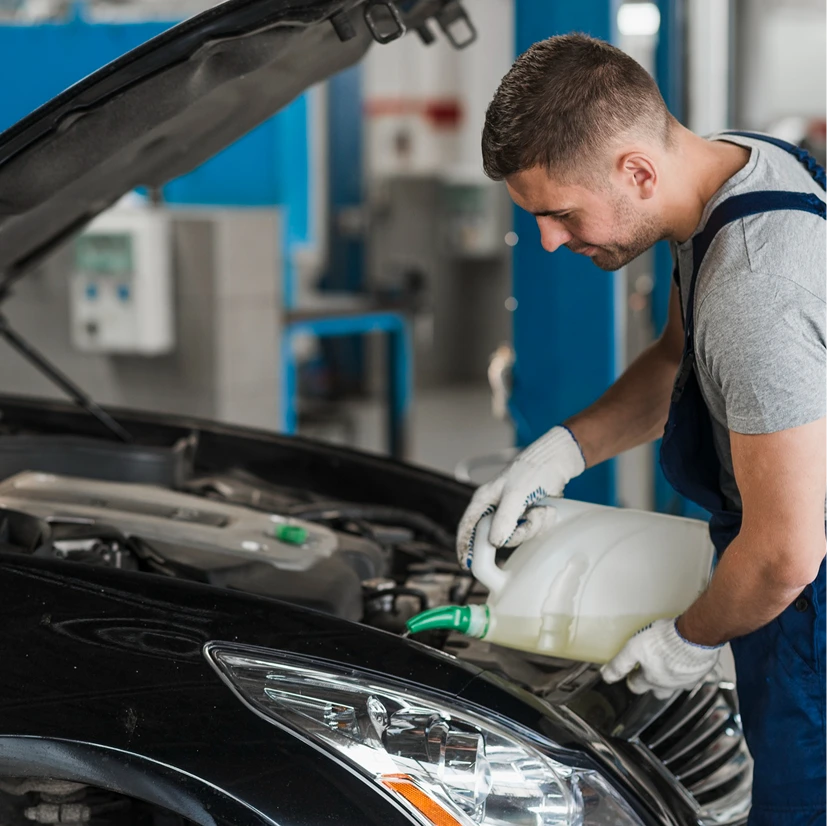
If you notice fluid leaks under your vehicle — such as oil, coolant, transmission fluid, or brake fluid — it’s a clear sign that maintenance is needed. Fluids play essential roles in cooling, lubrication, and safety. Even small leaks can quickly turn into major problems or cause your engine to overheat.
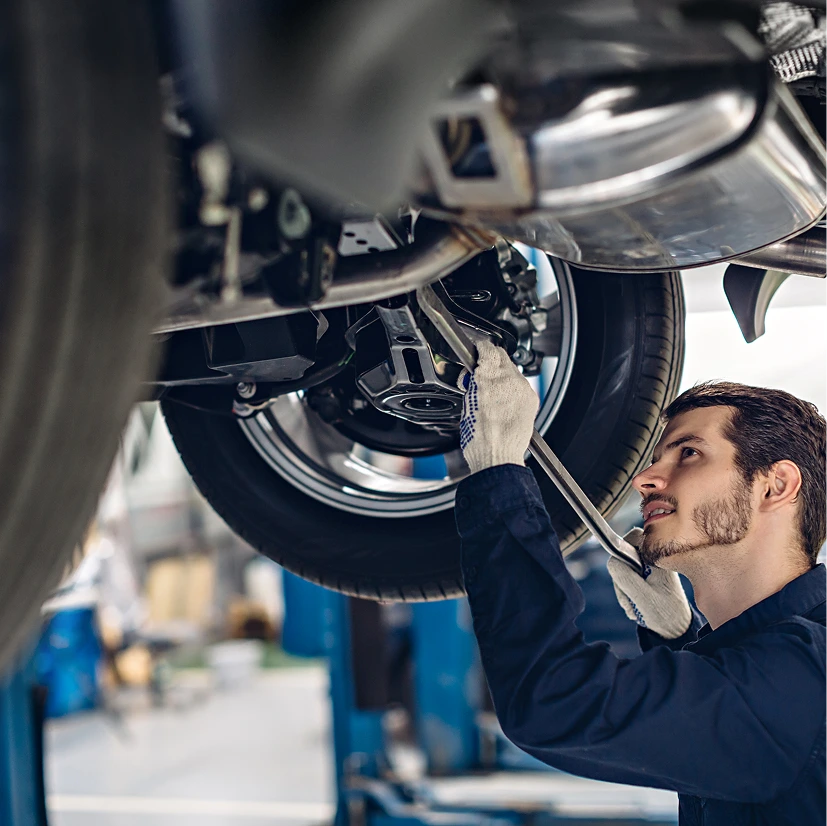
Changes in driving feel, such as difficulty steering, vibrations, pulling to one side, or delayed braking, indicate potential damage to your tires, alignment, suspension, or brake system. These issues can make driving unsafe and should never be ignored. A quick check-up can prevent accidents and restore smooth handling.
Lastly, if your car shows signs like poor fuel efficiency, low power, or hard starting, your engine may need immediate maintenance. Dirty filters, clogged injectors, or failing sensors often cause these symptoms. Regular check-ups and timely repairs not only improve performance but also extend your vehicle’s overall lifespan.